
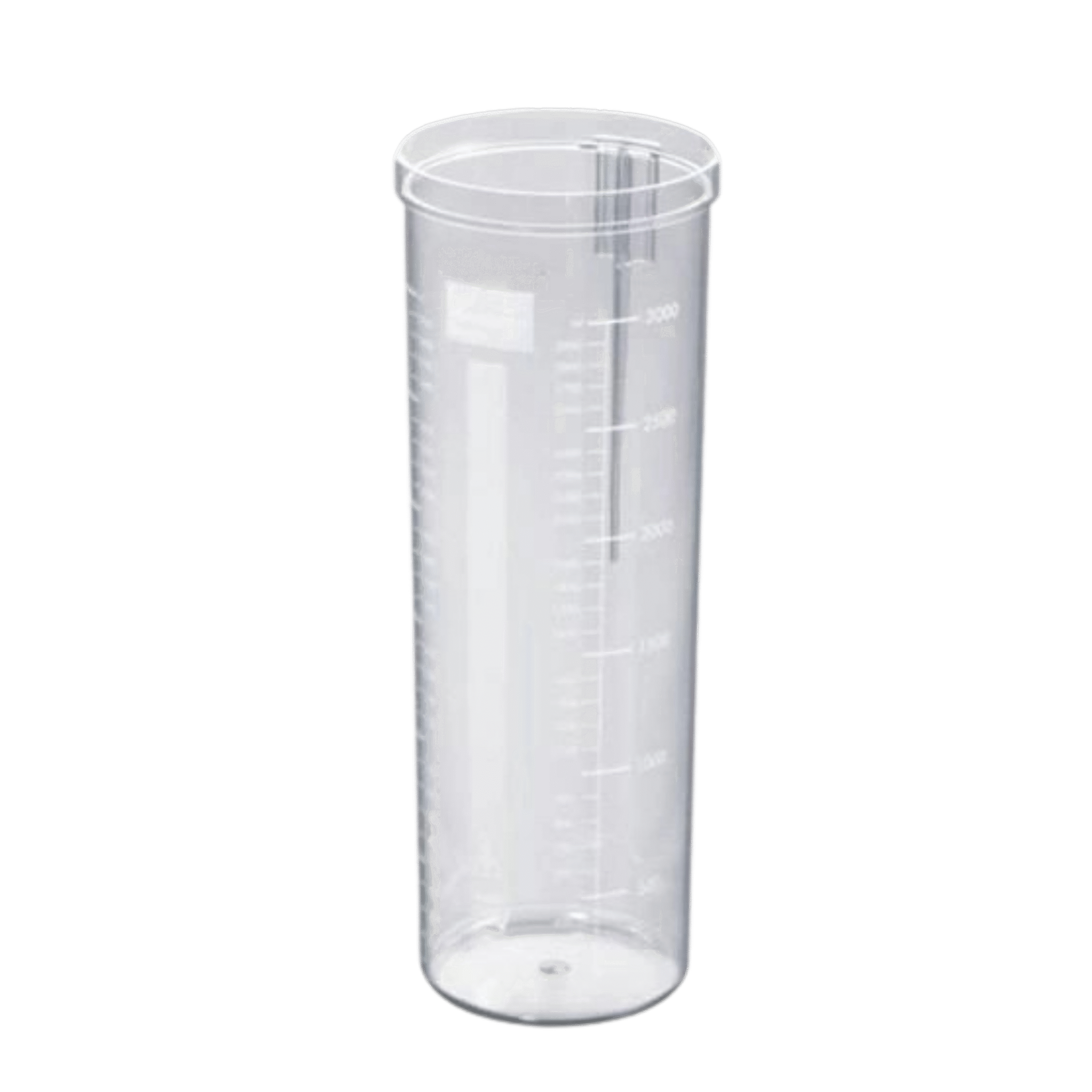
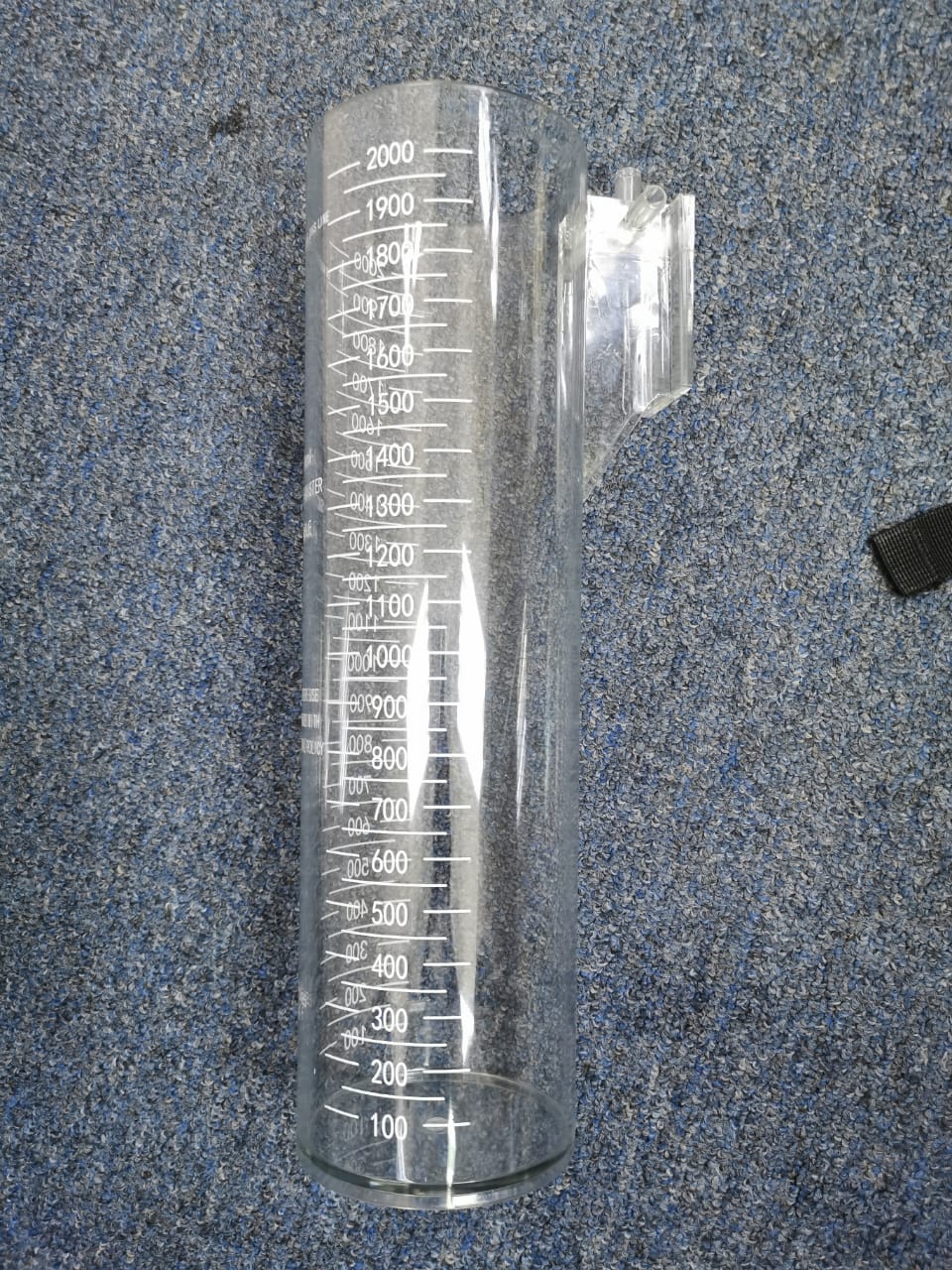
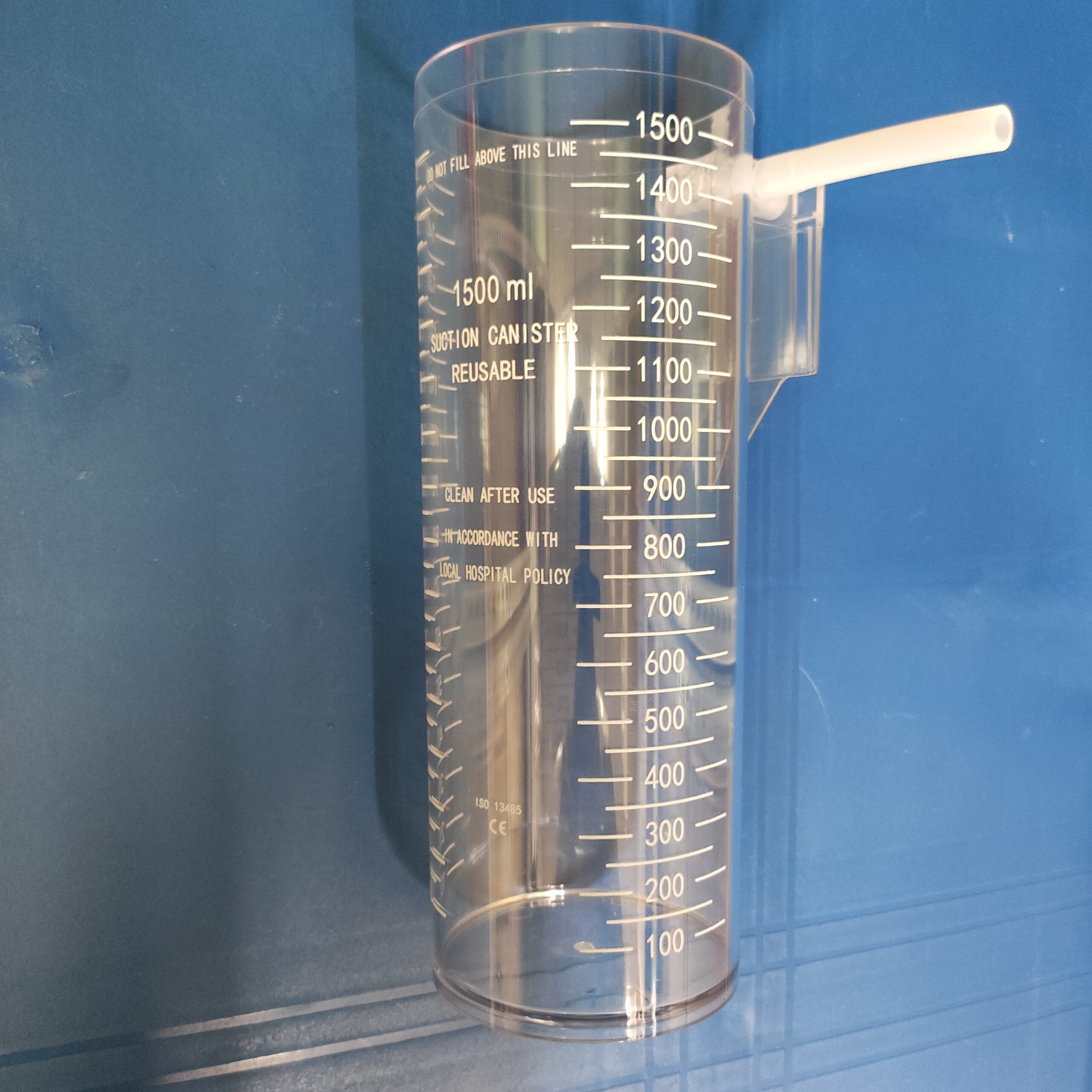
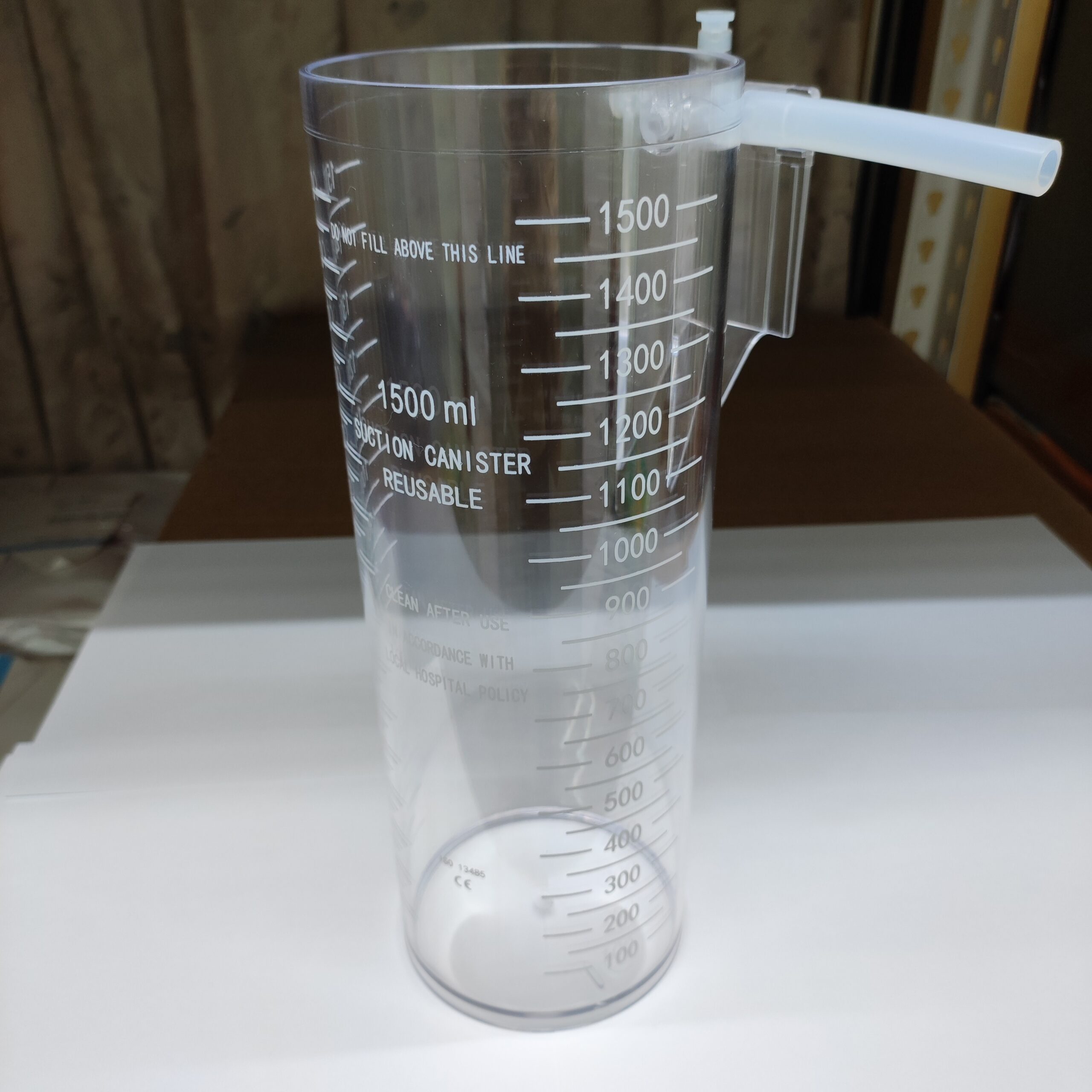
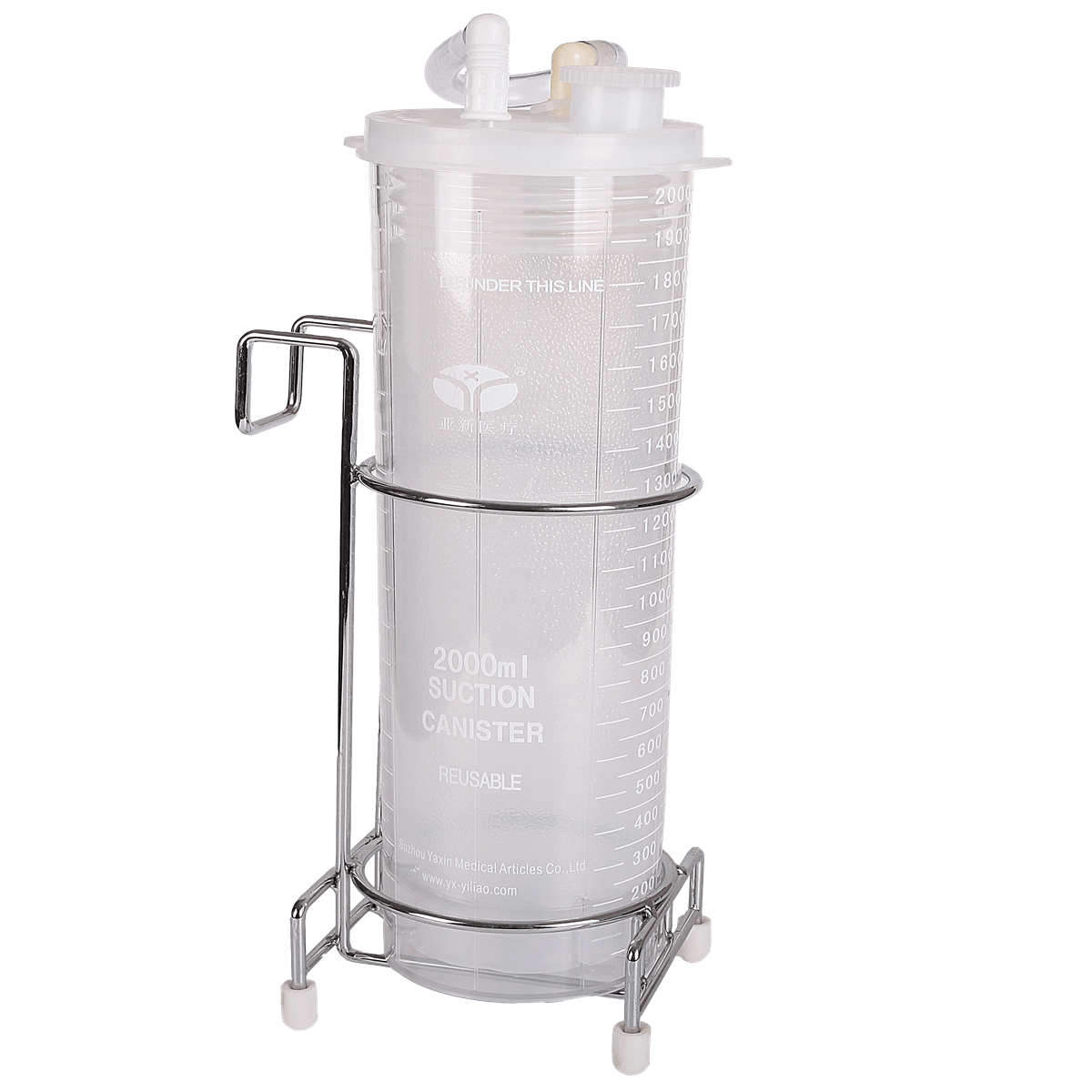
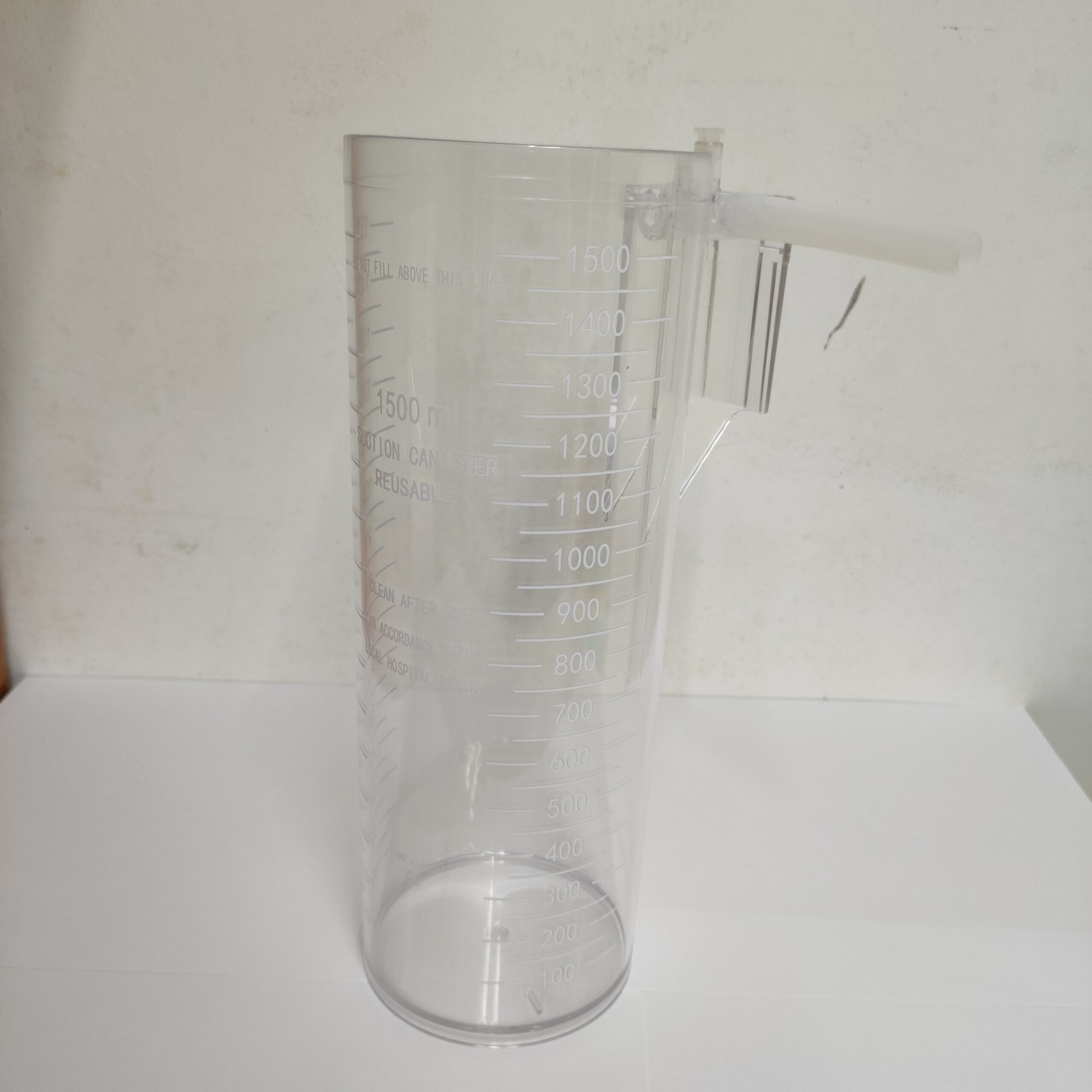
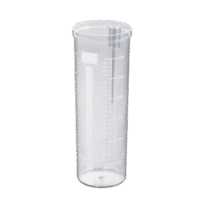
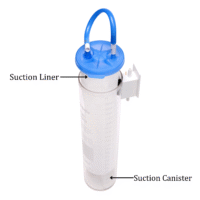
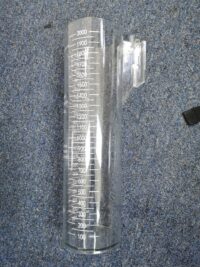
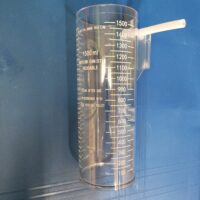
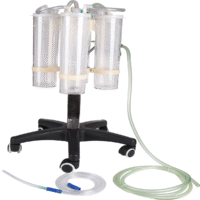
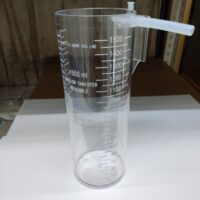
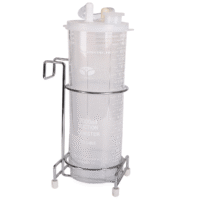
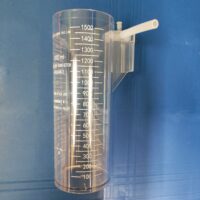
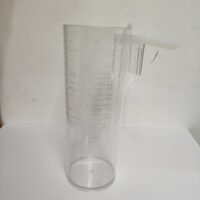
Suction Canister
KKM MDA Establishment License: MDA-5470-WDP124
Ministry of Finance License No.: K10067161803809809
Good Distribution Practice for Medical Device, GDPMD No.: KICM/GD/23/0028
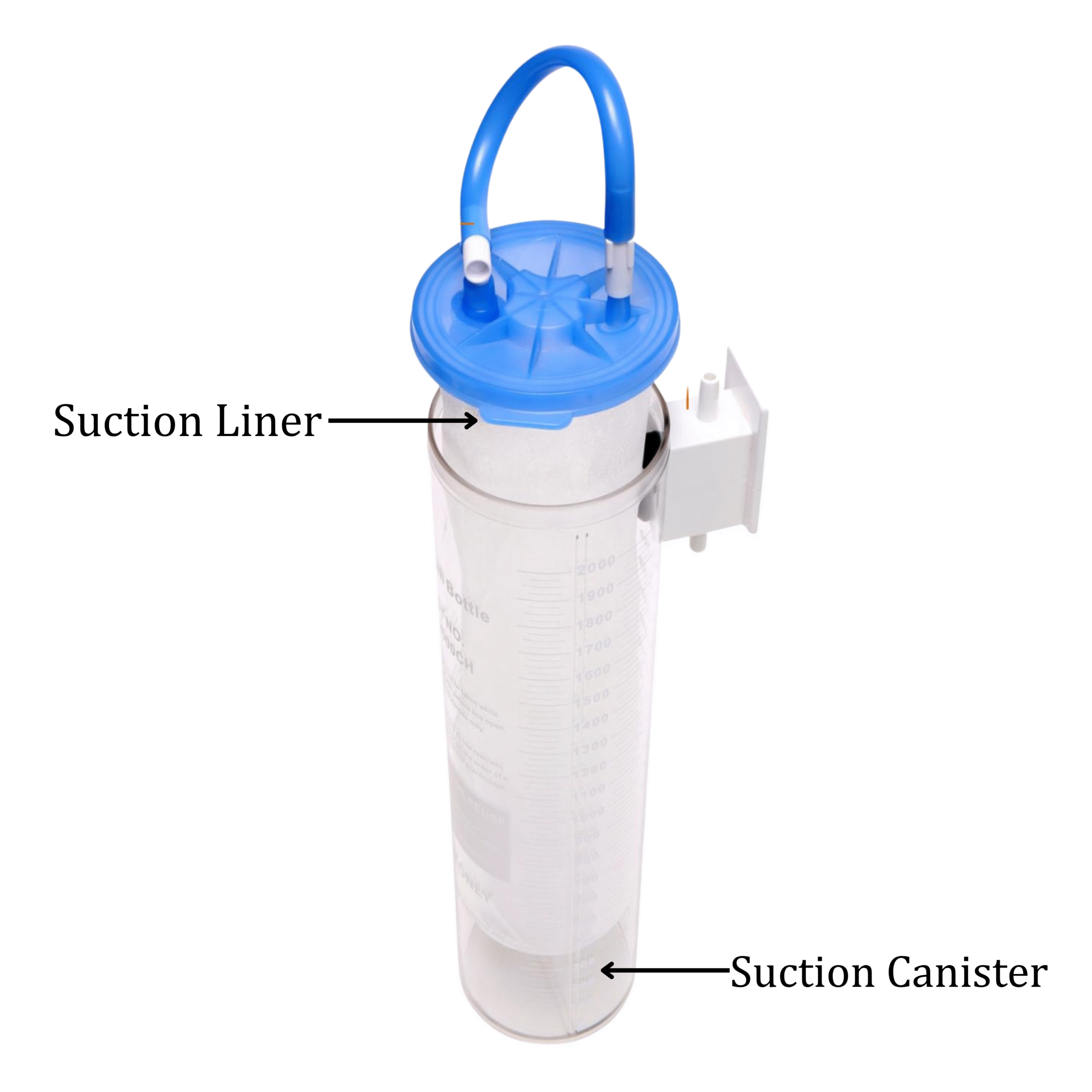
How It Works: Suction Canister + Suction Liner
-
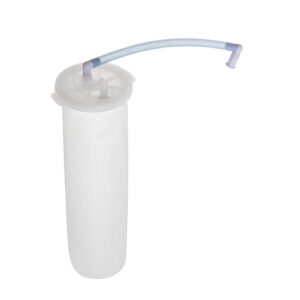
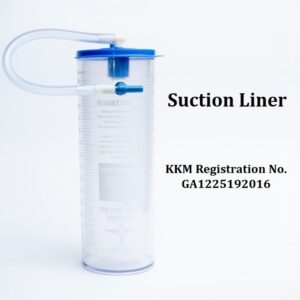
The liner is placed inside the reusable canister.
-
The vacuum port connects to the suction source (e.g., wall-mounted or portable suction).
-
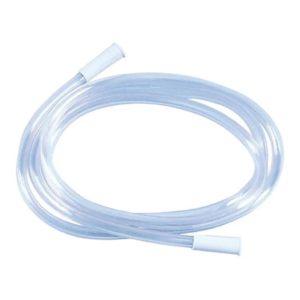
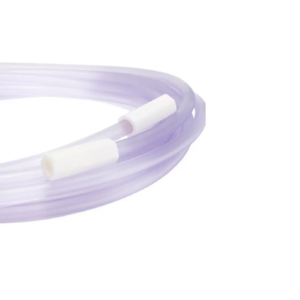
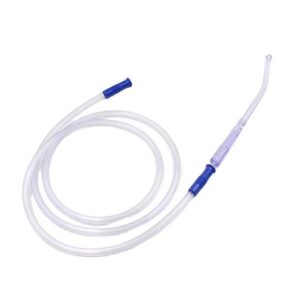
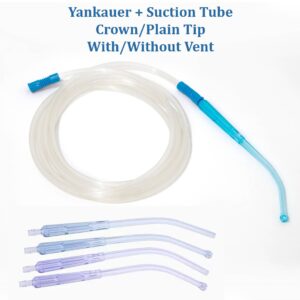
The patient port is connected to the suction tubing or Yankauer tip.
-
Fluids are collected into the liner, keeping the outer canister clean.
-
After use, the liner is removed and safely disposed of, while the canister is reused.
Benefits of Suction Canister & Liner System
1. Infection Control
✔️ Disposable liner reduces contamination risk.
✔️ Outer canister remains clean, minimizing biohazard exposure.
2. Easy Disposal
✔️ No need to clean the entire system after every use.
✔️ Just seal and discard the liner — fast and hygienic.
3. Time & Labor Saving
✔️ Simplifies post-procedure cleanup.
✔️ Less need for disinfection and sterilization.
4. Versatility
✔️ Liners available in various sizes (e.g., 1000ml, 1500ml, 2000ml).
✔️ Can be used with multiple suction sources and in various departments.
5. Clear Fluid Measurement
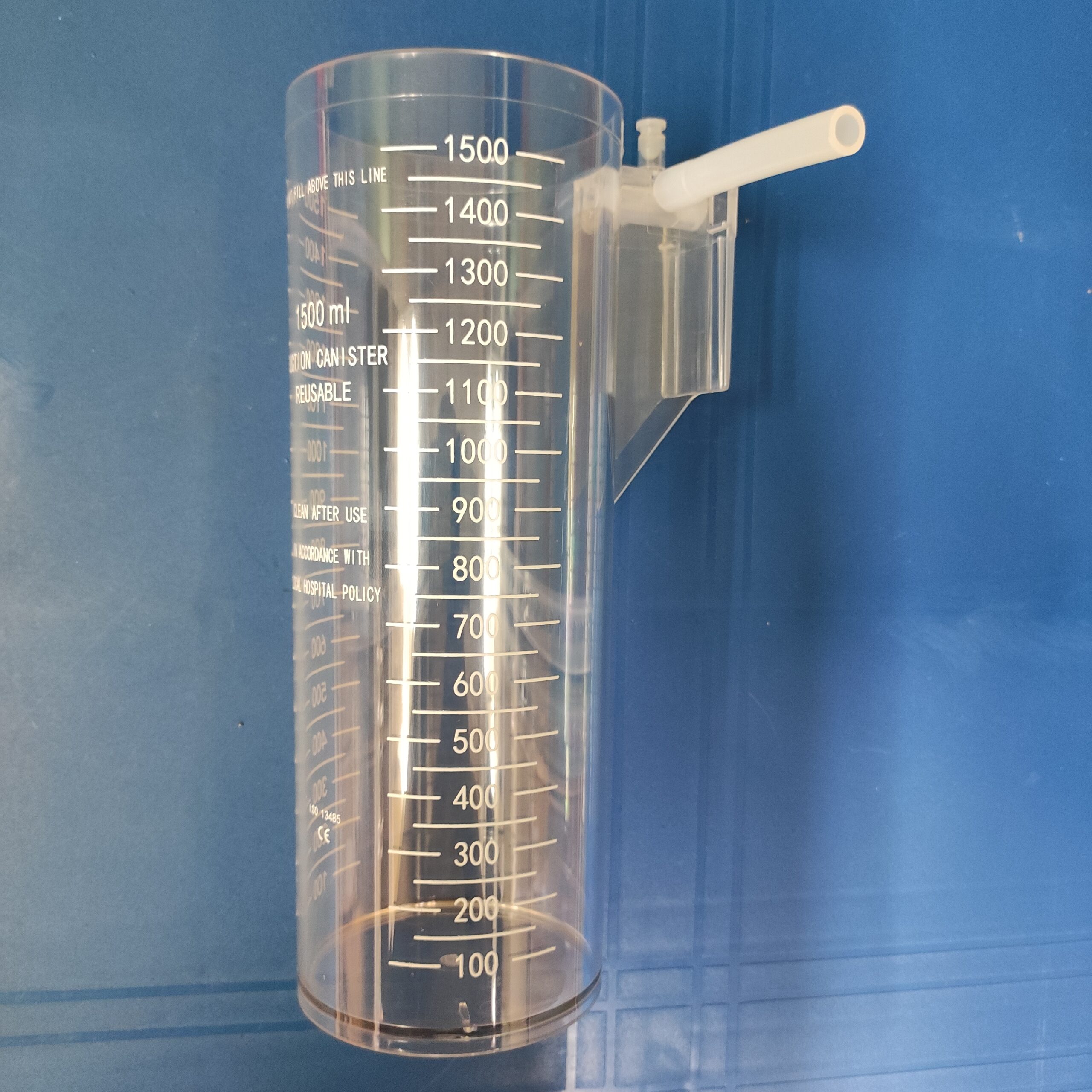
✔️ Graduated markings on liner or canister allow for accurate fluid volume monitoring.
6. Leak Prevention
✔️ Many liners include backflow-prevention valves or hydrophobic filters.
Common Applications of Suction Canister
-
Operating rooms (ORs) – During surgeries
-
ICUs and ERs – For airway and wound suction
-
Dental clinics – During oral surgery and hygiene procedures
-
Endoscopy suites – To manage irrigation fluids
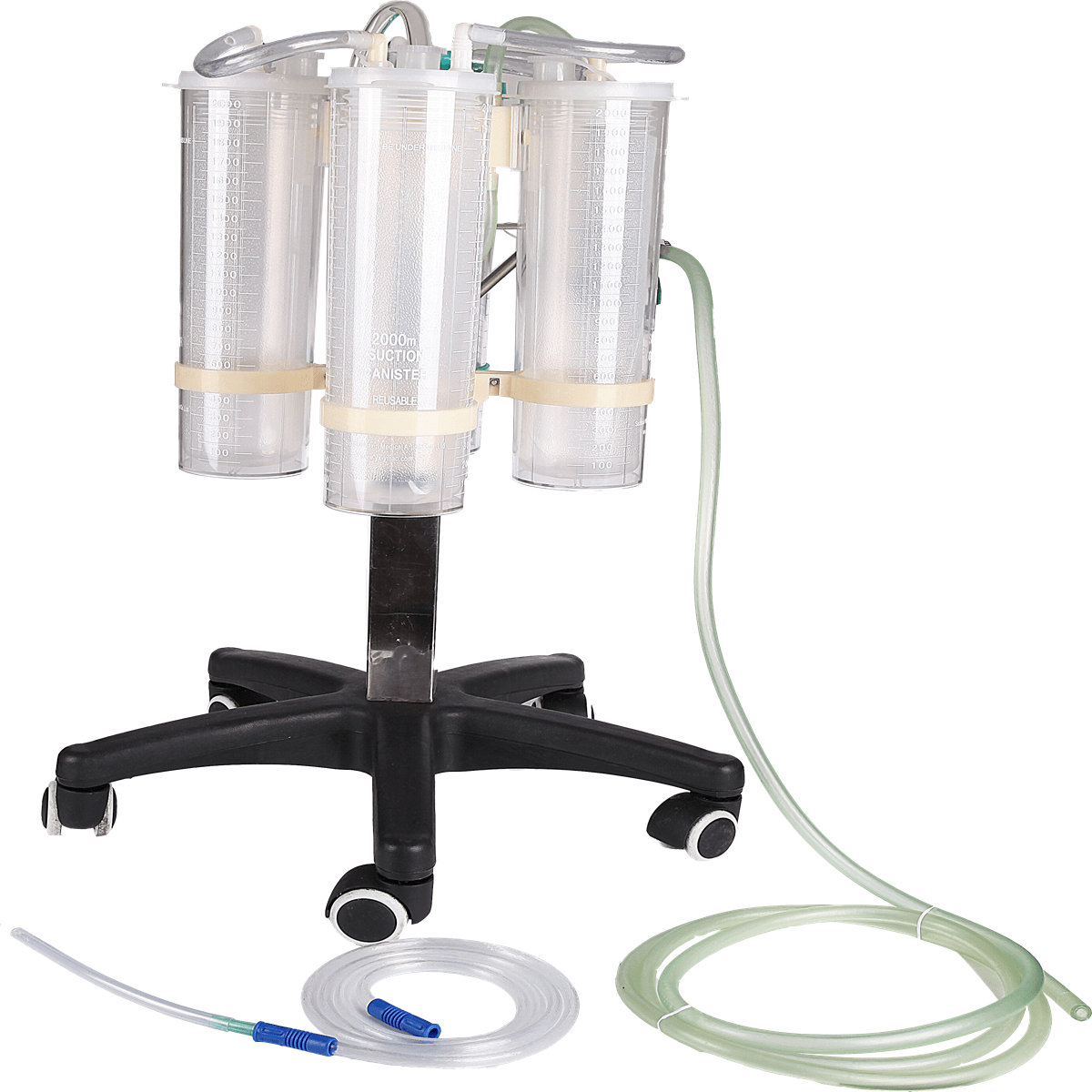
Choosing the Right Size and Capacity of Suction Canister & Liner
Factors to Consider
1. Type of Procedure
Minor procedures (e.g., dental, wound care):
→ 500ml – 1000ml canisters are typically sufficient.
Moderate fluid collection (e.g., endoscopy, minor surgeries):
→ 1500ml – 2000ml is ideal.
Major surgeries or high-volume suction (e.g., OR, trauma cases):
→ 3000ml – 6000ml capacity is recommended.
2. Expected Fluid Volume
✔️ Estimate the amount of fluid typically collected per procedure.
✔️ Choose a liner size that can safely hold 25–30% more than expected to avoid overflow.
3. Frequency of Use
✔️ For frequent use, a higher capacity reduces the need for frequent liner replacement.
✔️ In single-use or mobile situations, smaller sizes may be more convenient.
4. Equipment Compatibility
✔️ Check that your chosen canister and liner fit your vacuum regulator and trolley system.
✔️ Some models are universal-fit, while others are brand-specific.
5. Storage and Disposal Considerations
✔️ Larger canisters may take up more space in medical trolleys or cabinets.
✔️ Bigger liners produce more medical waste—consider this for high-volume settings.
Common Suction Canister & Liner Sizes
| Capacity | Best For |
|---|---|
| 500ml | Dental procedures, clinics |
| 1000ml | Minor surgeries, emergency rooms |
| 1500ml | General wards, moderate usage |
| 2000ml | Operating theatres, ICU |
| 3000ml+ | Major surgical procedures |
Product Catalog – Century Medical Supplies Sdn Bhd – Product Catalog





















Reviews
There are no reviews yet.